
Fuel Your Day: Protein & Energy Mastery
Understanding how protein intake directly impacts your daily energy levels and overall wellness. Discover the science-backed strategies used by our community to maintain optimal energy throughout the day.
Key Insights on Protein & Energy
Recommended per meal for sustained energy
Protein intake per serving helps maintain stable blood sugar and prevents energy crashes throughout your day.
Protein digestion time for steady energy
Unlike simple carbohydrates, protein provides extended satiety and consistent energy release without rapid spikes.
Per gram of protein for metabolic support
Protein has a higher thermic effect than fats, meaning your body burns more calories during digestion, boosting energy expenditure.
Daily minimum protein target
A baseline formula to calculate your personal daily protein needs for maintaining energy, muscle function, and recovery.
Why Protein Matters for Your Daily Energy
Protein is not just about building muscle—it's a cornerstone of stable energy production. When you consume adequate protein with each meal, you activate several metabolic pathways that keep your energy levels consistent throughout the day.
Your brain relies on amino acids (the building blocks of protein) to produce neurotransmitters like dopamine and serotonin, which directly influence mood, focus, and mental clarity. Without sufficient protein, you may experience afternoon energy crashes, difficulty concentrating, and increased fatigue.
Stable Blood Sugar Levels
Protein slows carbohydrate absorption, preventing sharp glucose spikes and dips that drain energy.
Enhanced Muscle Function
Muscles are major consumers of energy. Adequate protein supports muscle maintenance and efficient movement.
Improved Cognitive Performance
Amino acids fuel brain function, improving concentration, memory, and mental stamina throughout your workday.
Faster Recovery & Reduced Fatigue
Protein repairs muscle microtears from daily activity, reducing soreness and fatigue that affects energy levels.
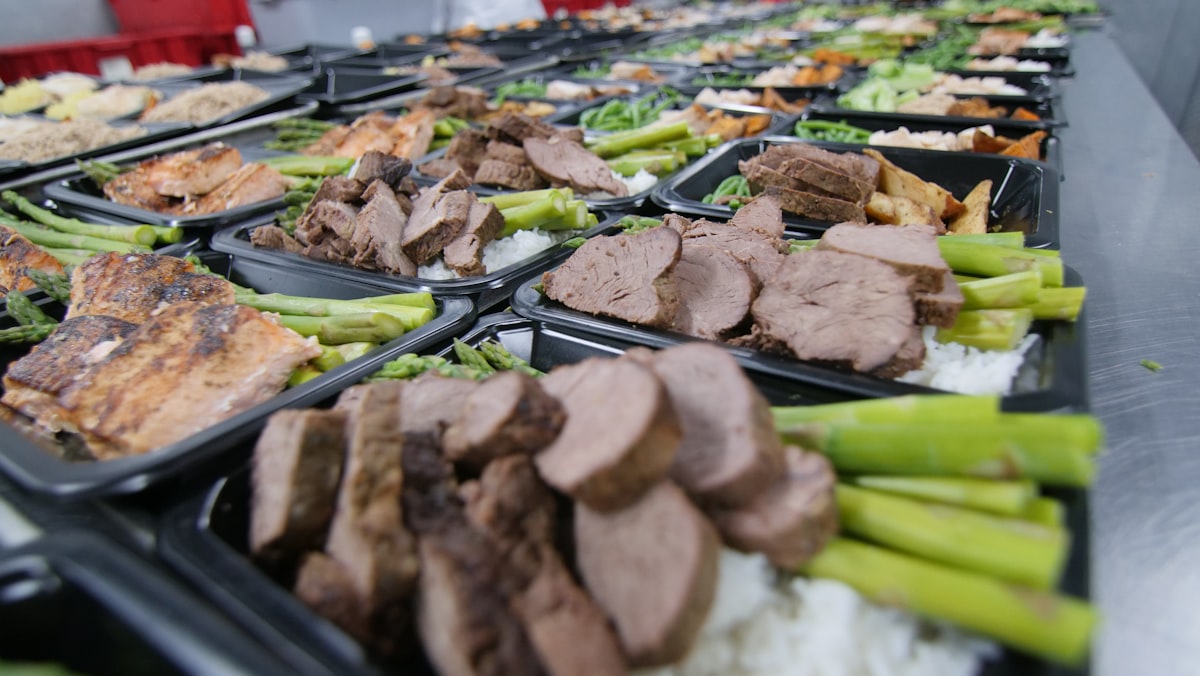
High-protein meals provide sustained energy compared to carbohydrate-only meals
Common Questions About Daily Protein Intake
How much protein do I actually need daily?
The scientific consensus is 0.8 grams per kilogram of body weight as a baseline for sedentary adults. However, if you exercise regularly or have high stress, this increases to 1.2–2.0 grams per kilogram. For example, a 70kg person would need 56–140 grams daily depending on activity level. It's best to spread this across 3–4 meals for optimal energy and muscle protein synthesis.
Does excess protein hurt my energy levels?
Very high protein intake (over 2.5g per kg) may slightly stress kidneys in susceptible individuals, but for most healthy adults, it's well-tolerated. However, excessive protein without adequate hydration and carbohydrates can lead to fatigue because your body expends more energy digesting it. Balance is key—combine protein with complex carbs and healthy fats for optimal energy.
What's the best time to eat protein for sustained energy?
Distribute protein evenly across breakfast, lunch, and dinner—aim for 20–35 grams per meal. This consistent intake maintains steady amino acid levels in your bloodstream, preventing energy dips. Many people find that a protein-rich breakfast (eggs, Greek yoghurt, or lean meat) sets the tone for stable energy throughout the morning.
Can plant-based protein provide the same energy as animal protein?
Yes, plant-based proteins are excellent energy sources when combined thoughtfully. Many plant proteins (legumes, nuts, seeds) contain all nine essential amino acids when varied. However, single sources like rice or beans alone may be incomplete. Combining them (rice + beans, hummus + vegetables) creates complete amino acid profiles equal to animal protein for sustained energy.
Why do I feel tired after a high-protein meal?
If a high-protein meal lacks carbohydrates, it may feel heavier and reduce blood sugar stability. Protein alone doesn't trigger serotonin release (which requires carbs and the amino acid tryptophan). Pairing protein with complex carbs—such as chicken with sweet potato—optimizes energy and prevents post-meal fatigue.
How does protein support energy during exercise?
During exercise, muscles require amino acids for repair and energy metabolism. Post-workout protein (within 2 hours) accelerates muscle recovery and replenishes depleted amino acid pools, preventing next-day fatigue. Pre-workout protein + carbs provides sustained fuel and prevents muscle breakdown, improving performance and energy availability during activity.
Protein Sources & Energy-Boosting Meal Ideas
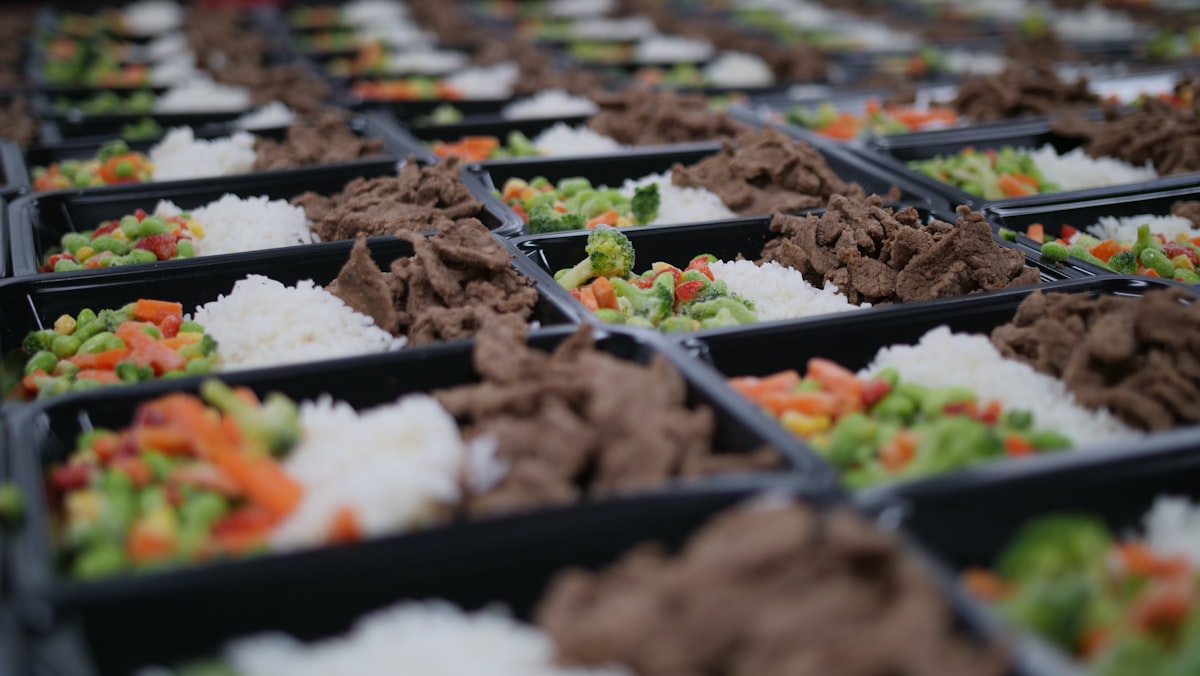
Eggs & Breakfast Proteins
Eggs contain all nine essential amino acids plus choline for brain energy. A two-egg omelette with vegetables provides 12–15g protein, ideal for a morning energy boost that lasts 3–4 hours.
Protein per serving: 12–18g | Prep time: 10 minutes

Lean Poultry (Chicken & Turkey)
Skinless chicken breast is one of the leanest protein sources with minimal fat, making it ideal for sustained energy without heaviness. Pair with quinoa or brown rice for complete amino acid profiles and steady blood sugar.
Protein per 100g: 31g | Versatile: grilled, baked, or slow-cooked

Greek Yoghurt & Dairy
Greek yoghurt contains double the protein of regular yoghurt and probiotics for gut health, which impacts energy absorption. A 200g serving delivers 18–20g protein with calcium for energy metabolism.
Protein per 200g: 18–20g | Great for: snacks and breakfast bowls

Legumes & Pulses
Chickpeas, lentils, and black beans combine protein with fibre, creating sustained energy release. One cup cooked provides 15–20g protein plus complex carbs for stable glucose levels throughout the day.
Protein per cup: 15–20g | Bonus: high in fibre

Fish & Omega-3s
Salmon, mackerel, and cod deliver 25–30g protein per serving plus omega-3 fatty acids, which support brain energy and reduce inflammation-related fatigue. Ideal for lunch or dinner energy maintenance.
Protein per 100g: 25–28g | Brain benefit: omega-3s boost focus

Nuts, Seeds & Plant Sources
Almonds, pumpkin seeds, and chia seeds provide 6–10g protein per ounce, plus healthy fats for sustained energy and satiety. Perfect for snacks between meals to prevent afternoon energy dips.
Protein per ounce: 6–10g | Portable: ideal for on-the-go snacking
Your 5-Step Daily Energy Optimization
Start with a Protein-Rich Breakfast
Within one hour of waking, consume 25–35g of protein combined with complex carbohydrates (oats, whole grain toast) and healthy fats (avocado, nuts). This sets your metabolic tone and stabilises blood sugar for the entire morning, preventing energy crashes before lunch.
Distribute Protein Across Three Meals
Aim for 20–35g at breakfast, lunch, and dinner. This consistent distribution maintains steady amino acid levels in your blood, preventing dips in energy and mood. Avoid loading all protein into one meal, which can reduce absorption efficiency and create fatigue later.
Include Protein in Afternoon Snacks
The 3pm energy slump is real. Combat it by eating a protein-based snack: Greek yoghurt with berries, a protein bar, hard-boiled eggs, or nuts. This 10–15g protein boost bridges the gap between lunch and dinner, maintaining focus and mental clarity through late afternoon.
Pair Protein with Carbs and Fats
Never eat protein in isolation. Combine it with complex carbohydrates (whole grains, vegetables) for steady glucose release and healthy fats (olive oil, avocado) for sustained satiety. This trio optimises energy availability and prevents blood sugar spikes that lead to crashes and fatigue.
Hydrate & Track Your Energy Patterns
Protein metabolism requires water. Aim for 2.5–3 litres daily. Also, note your energy levels at different times and experiment with protein timing. Some people thrive with earlier dinner; others need a late-evening snack. Personalisation based on your own response is key to sustained energy.
Real Results from Our Community
"After implementing the 5-step protein strategy, my afternoon energy crashes completely disappeared. I used to hit the wall at 3pm every day, but now I'm consistently productive until evening. The key for me was spreading protein evenly and adding that afternoon snack—game changer for my work performance."
Sarah Mitchell
Manchester, Project Manager
"I struggled with fatigue during my gym sessions until I learned how to properly time protein intake. Now I have a Greek yoghurt with granola an hour before training and a protein-rich meal after—my energy in the gym has improved dramatically, and recovery is faster. I actually enjoy working out now instead of dreading it."
James Chen
London, Fitness Enthusiast
"As a plant-based eater, I worried I couldn't get enough protein for sustained energy. But learning to combine lentils, chickpeas, and seeds strategically changed everything. My brain fog lifted, I have more stamina through the day, and I feel confident I'm meeting my nutritional needs while staying true to my values."
Emma Patel
Edinburgh, Nutrition Coach
"I never realised how much my energy levels were tied to inconsistent protein intake. Changing my breakfast from toast to eggs with avocado made an immediate difference—clearer mind, more stable moods, better energy. The Bodybalancehabit approach is so practical and backed by real science. Highly recommend for anyone struggling with energy."
David Thompson
Bristol, Software Developer
Ready to Transform Your Daily Energy?
Discover our comprehensive guides and learn science-backed strategies to optimise your protein intake and maintain peak energy levels throughout the day. Start reading our detailed nutrition resources today.
Learn More About Protein & Energy
Understanding protein intake and energy balance is fundamental to achieving your fitness goals. Our comprehensive guides break down complex nutritional science into actionable steps you can implement today.
Protein Essentials
Learn how much protein you need daily, best sources, and timing strategies to maximize muscle growth and recovery.
Learn MoreEnergy Balance
Discover how to calculate your caloric needs, maintain energy throughout the day, and fuel your workouts effectively.
Learn MoreProgress Tracking
Master the metrics that matter: monitor your intake, track results, and adjust your nutrition plan for continuous improvement.
Learn MoreSuccess Stories from Our Community
See how real people transformed their health and fitness with Bodybalancehabit guides and personalized nutrition strategies.
"The nutrition guides were exactly what I needed. Within 3 months, I gained 8 pounds of lean muscle and feel more energized than ever!"
James Mitchell
Fitness Enthusiast
"Finally, a resource that explains protein timing in a way that makes sense. My recovery has improved dramatically!"
Sarah Rodriguez
CrossFit Athlete
"The energy balance guide transformed how I think about nutrition. I'm stronger and feel better throughout my day."
Marcus Chen
Personal Trainer
Ready to Transform Your Fitness Journey?
Start with our comprehensive nutrition guides today and join thousands of people building healthier, stronger bodies.
Frequently Asked Questions
Protein requirements vary based on your goals and activity level. Generally, 1.6-2.2 grams per kilogram of body weight is recommended for muscle building. Our detailed protein guide breaks this down further with personalized recommendations.
Absolutely! Our guides include comprehensive sections on plant-based protein sources, including legumes, nuts, seeds, and alternative proteins. We provide complete nutritional strategies for vegetarian and vegan athletes.
Our Progress Tracking guide provides step-by-step instructions for monitoring key metrics like daily intake, body composition, and performance. We recommend using a tracking app combined with weekly check-ins for best results.
Yes! We update our guides quarterly based on the latest nutritional science and feedback from our community. Subscribe to our newsletter to stay informed about new content and improvements.
While our guides are comprehensive and self-directed, we also offer personalized consultation services. Contact our team to discuss whether a personalized nutrition plan would benefit your specific goals.