
Maximize Your Energy with Smart Protein Intake
Discover how optimising your daily protein consumption can transform your energy levels, support muscle recovery, and enhance your overall wellness. Evidence-based nutrition guidance for a balanced lifestyle.
Key Nutrition Metrics at a Glance
Essential information about protein and daily energy optimisation
Muscle Support
Protein is essential for muscle maintenance and recovery after activity
Energy Levels
Balanced protein intake helps stabilise energy throughout the day
Nutrition Quality
Choose diverse protein sources for complete amino acid profiles
Wellness
Proper protein intake supports overall health and vitality
Why Protein Intake Matters for Energy
Understanding the connection between nutrition and daily vitality
Sustained Energy Release
Protein digests slowly, providing steady glucose release and preventing energy crashes throughout your day.
Muscle Recovery
After exercise or activity, protein provides amino acids needed to repair and rebuild muscle tissue efficiently.
Appetite Management
Protein is highly satiating, helping you feel fuller longer and supporting balanced eating patterns.
Immune Function
Adequate protein intake supports antibody production and immune system resilience for better overall wellness.
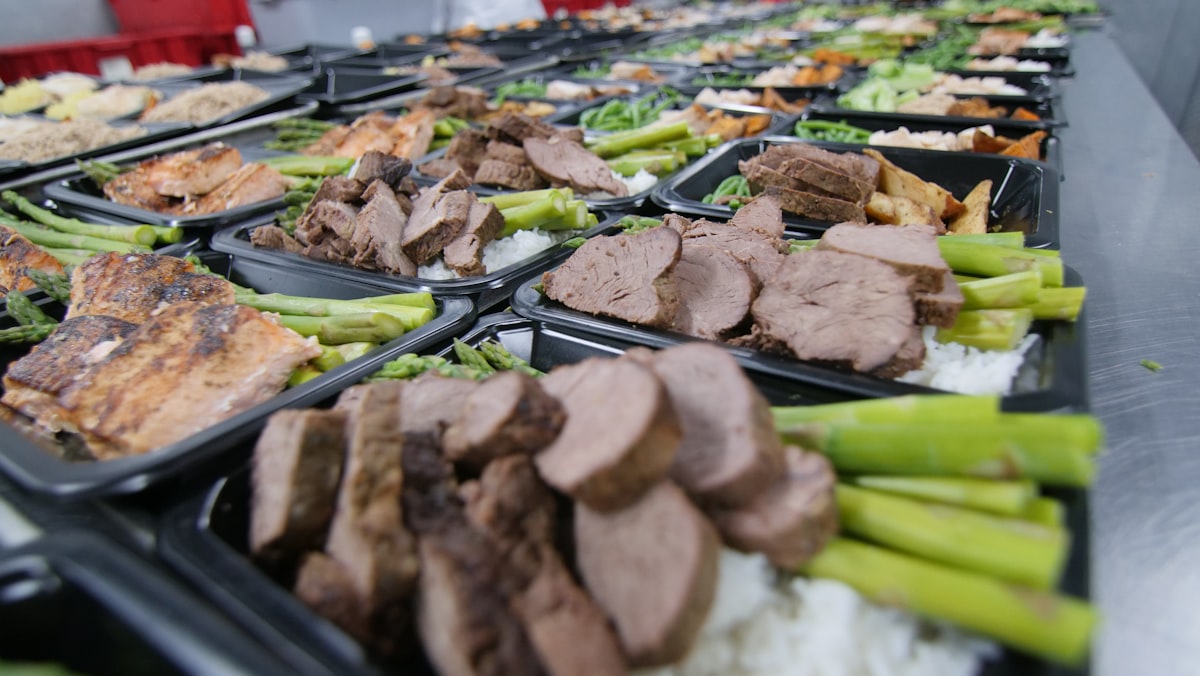
Your Daily Energy Optimisation Journey
A step-by-step approach to balancing protein intake for sustained vitality
Assess Your Needs
Evaluate your activity level, age, and health goals to determine your ideal daily protein intake.
Choose Diverse Sources
Include poultry, fish, legumes, dairy, nuts, and whole grains for varied amino acid profiles.
Plan Your Meals
Distribute protein evenly across meals and snacks to maintain stable energy and satiety.
Monitor & Adjust
Track your energy, recovery, and wellbeing to fine-tune your protein intake for optimal results.
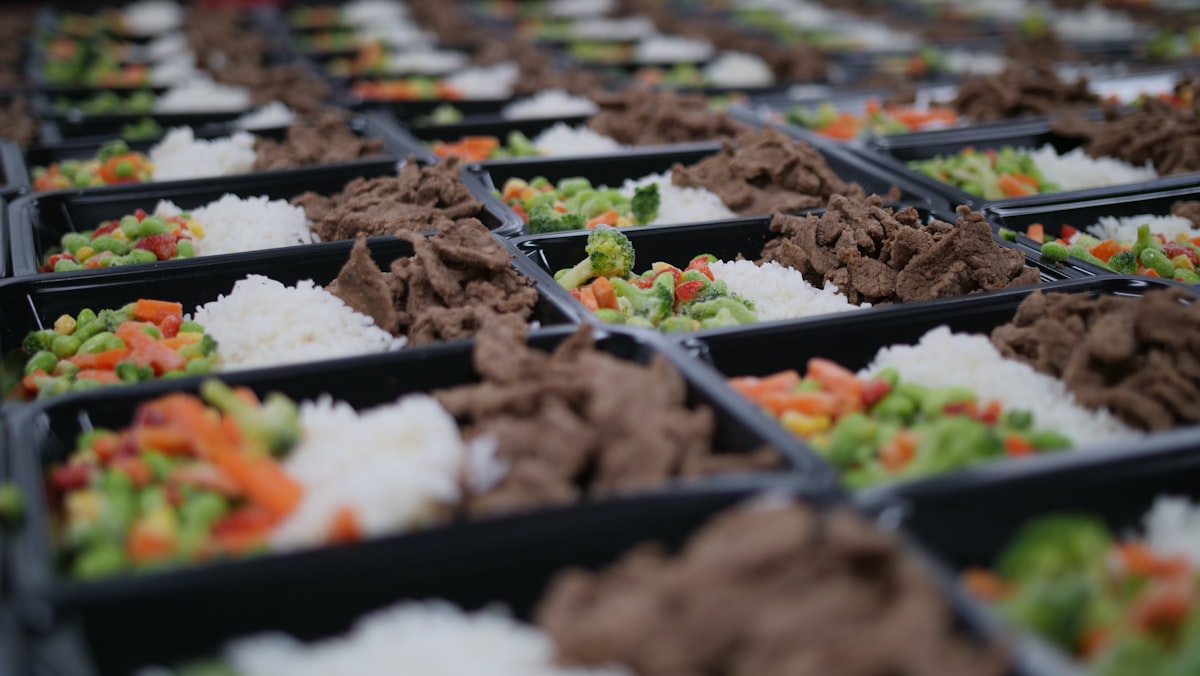
Protein Sources and Meal Prep Inspiration
Explore versatile, nutritious options for every diet preference
Lean Poultry
Chicken and turkey are excellent sources of lean protein with minimal fat, perfect for daily meals and energy stability.

Fish & Seafood
Rich in omega-3 fatty acids and complete proteins, fish supports heart health and sustained energy release.

Legumes
Beans, lentils, and chickpeas provide protein, fibre, and essential nutrients for sustained vitality and digestive health.

Dairy Products
Greek yogurt, cottage cheese, and milk offer complete proteins and calcium for muscle recovery and bone strength.

Nuts & Seeds
Almonds, walnuts, and seeds deliver protein, healthy fats, and micronutrients for sustained energy between meals.

Whole Grains
Quinoa, oats, and whole wheat combine protein with carbohydrates for balanced energy and sustained performance.
Success Stories from Our Community
Real experiences and insights from readers who optimised their nutrition
"Following the protein intake recommendations completely changed my afternoon energy slumps. I now spread my protein intake throughout the day and feel consistently energised. The meal prep guides are practical and easy to follow."
Sarah Mitchell
Glasgow, Scotland
"As someone training regularly, understanding my protein needs made a significant difference in my recovery. The nutrition guide explained everything clearly, and I've noticed improved performance and less muscle soreness after workouts."
James Thompson
Manchester, England
"The practical advice on balancing protein sources has genuinely improved my health. I feel fuller longer, my digestion is better, and I have consistent energy throughout the day. Highly recommend their evidence-based approach to nutrition."
Emma Richardson
Edinburgh, Scotland
Common Questions About Daily Protein Needs
Practical answers to help you understand optimal nutrition
How much protein should I eat daily?
A common recommendation is 0.8–1.0 grams of protein per kilogram of body weight for sedentary adults. If you exercise regularly or do resistance training, aim for 1.2–2.0 grams per kilogram. Individual needs vary based on age, activity level, health status, and fitness goals. Consulting a registered dietitian can help determine your specific needs.
What are complete proteins?
Complete proteins contain all nine essential amino acids your body cannot produce. Examples include poultry, fish, eggs, dairy, and legume-grain combinations. Incomplete proteins lack one or more essential amino acids but can be combined throughout the day to meet your amino acid needs.
Does timing of protein intake matter?
Distributing protein evenly across meals and snacks supports consistent energy and muscle protein synthesis. Post-exercise protein intake (within a few hours) supports muscle recovery, but total daily intake matters more than exact timing. Focus on consistent daily consumption rather than specific windows.
Can too much protein harm my health?
For healthy individuals with normal kidney function, high protein intake is generally safe. Excessive intake rarely causes problems, but very high amounts may put unnecessary stress on kidneys if you have pre-existing kidney disease. Always discuss significant dietary changes with a healthcare provider to ensure they suit your individual circumstances.
Are plant-based proteins adequate?
Yes, plant-based proteins can meet all nutritional needs when consumed in variety and adequate amounts. Combining legumes, whole grains, nuts, seeds, and vegetables provides complete amino acid profiles. Plant-based diets require slightly more total protein to achieve the same muscle-building effects as animal sources.
How does protein affect energy levels?
Protein is digested slowly, providing steady glucose release and preventing blood sugar spikes and crashes. It also promotes satiety, reducing hunger hormones that can cause fatigue. Balanced protein intake throughout the day supports sustained mental and physical energy for better productivity and wellbeing.
Ready to Optimise Your Nutrition?
Explore our comprehensive guides and evidence-based articles to start your journey towards sustained energy and better health.